


English–Japanese
“bad harvest” in Japanese
Japanese
Pronunciation
Romajikyōsaku
Example
雨が少なく、今年は凶作になりました。ame ga suku na ku kotoshi wa kyō saku ni na ri ma shi ta
There was a bad harvest this year because there was little rain.
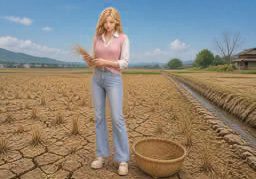
How to say “bad harvest” in Japanese
“Bad harvest” in Japanese is 凶作 (kyōsaku).
Presents the season's crop yield as seriously reduced, often because unfavorable conditions damage the plants.
Example sentences with 凶作
農家は凶作に備えて、種もみを多めに保存しています。nō ka wa kyō saku ni sona e te tane mo mi o ō me ni ho zon shi te i ma su
Farmers are storing extra seed rice in preparation for a bad harvest.
Tips for using 凶作
- The word 凶作 (kyōsaku) is useful in news about agriculture because it describes a major failure of the harvest rather than an ordinary variation in production.