

JLPT · Level 184
15 words
Search Japanese words as written, in romaji or by English meaning.
Dictionaries
Quick links
Browse
 MotiSpiOfficial conversation app

Japanese word
Romajikyōsaku
雨が少なく、今年は凶作になりました。ame ga suku na ku kotoshi wa kyō saku ni na ri ma shi ta
There was a bad harvest this year because there was little rain.
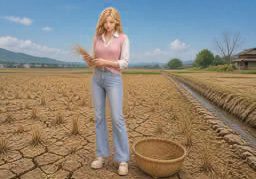
農家は凶作に備えて、種もみを多めに保存しています。nō ka wa kyō saku ni sona e te tane mo mi o ō me ni ho zon shi te i ma su
Farmers are storing extra seed rice in preparation for a bad harvest.
Presents the season's crop yield as seriously reduced, often because unfavorable conditions damage the plants.
凶作になるkyō saku ni na ru
result in a bad harvest
凶作に見舞われるkyō saku ni mi ma wa re ru
be hit by a bad harvest
凶作の影響kyō saku no ei kyō
impact of a bad harvest
不作fusaku: A harvest with a lower-than-usual crop yield.
天候などのために農作物が十分に実らず、収穫が大幅に減ること。ten kō na do no ta me ni nō saku butsu ga jū bun ni mino ra zu shū kaku ga ō haba ni he ru ko to
凶作 (kyōsaku, "bad harvest") is a Sino-Japanese compound of 凶 (kyō, "bad fortune") and 作 (saku, "cultivation or crop").