

German Conversation · Level 98
53 words
Search German words by spelling or English meaning.
Dictionaries
Quick links
Browse
 MotiSpiOfficial conversation app

German word
IPA/vyːst/
Die wüste Landschaft beeindruckte mich.
The desolate landscape impressed me.
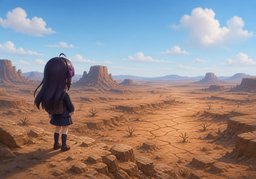
Nach dem Sturm war das Dorf wüst und verlassen.
The village was desolate and deserted after the storm.
A bare landscape that feels abandoned, harsh, and without activity.
wüst sein
be desolate
wüst und verlassen
desolate and deserted
wüst und leer
desolate and empty
öde: Lonely and empty, with few plants or buildings and almost no visitors.
verwüstet: Severely damaged and ruined by disaster, war, or other destruction.
verlassen: Empty because its people, shops, or users have completely gone.
karg: Poor in vegetation or resources and plain or meager in appearance.
öde und unbewohnt; eine Landschaft oder ein Ort, der kaum Leben oder Nutzung zeigt
The adjective developed from Old High German wuosti, meaning barren or uncultivated, and shares a Germanic origin with English waste.