

Chinese Conversation · Level 67
89 words
Search Chinese words by characters, pinyin or English meaning.
Dictionaries
Quick links
Browse
 MotiSpiOfficial conversation app

Chinese word
Pinyinhuáng dǎn
宝宝出生时有黄疸,医生说会好的。báo bǎo chū shēng shí yǒu huáng dǎn yī shēng shuō huì hǎo de
The baby had jaundice at birth, and the doctor said it would get better.
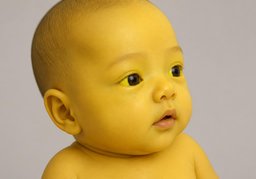
宝宝有黄疸时要及时就医。báo bǎo yǒu huáng dǎn shí yào jí shí jiù yī
When a baby has jaundice, seek medical care promptly.
Yellowing appears in the skin and whites of the eyes when bilirubin builds up in the body.
出现黄疸chū xiàn huáng dǎn
develop jaundice
新生儿黄疸xīn shēng ér huáng dǎn
newborn jaundice
宝宝有黄疸báo bǎo yǒu huáng dǎn
a baby has jaundice
新生儿黄疸xīn shēng ér huáng dǎn: Yellowing of a newborn baby's skin or whites of the eyes soon after birth.
黄疸是指因胆红素在体内沉积而使皮肤或巩膜呈现黄色的临床状态,临床上既可出现在新生儿也可见于成人肝胆疾病。huáng dǎn shì zhǐ yīn dǎn hóng sù zài tǐ nèi chén jī ér shǐ pí fū huò gǒng mó chéng xiàn huáng sè de lín chuáng zhuàng tài lín chuáng shàng jì kě chū xiàn zài xīn shēng ér yě kě jiàn yú chéng rén gān dǎn jí bìng
黄疸 (huángdǎn, "jaundice") combines 黄 (huáng, "yellow") with 疸 (dǎn, "illness marked by yellowing"), joining the visible color with the medical condition.