

Chinese Conversation · Level 78
91 words
Search Chinese words by characters, pinyin or English meaning.
Dictionaries
Quick links
Browse
 MotiSpiOfficial conversation app

Chinese word
Pinyinmá zuì
拔牙前他接受了麻醉。bá yá qián tā jiē shòu le má zuì
Before having his tooth pulled, he received anesthesia.
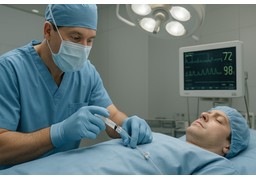
局部麻醉只影响手术部位,不会使病人失去意识。jú bù má zuì zhǐ yíng xiǎng shǒu shù bù wèi bú huì shǐ bìng rén shī qù yì shí
Local anesthesia affects only the surgical area and does not cause the patient to lose consciousness.
A selected part or the whole body is put behind a temporary veil, so pain and sensation no longer reach awareness.
接受麻醉jiē shòu má zuì
receive anesthesia
局部麻醉jú bù má zuì
local anesthesia
全身麻醉quán shēn má zuì
general anesthesia
全身麻醉quán shēn má zuì: Medical treatment that removes consciousness and sensation throughout the body during surgery.
局部麻醉jú bù má zuì: Medical treatment that removes pain and sensation only in the part of the body being treated.
麻醉药má zuì yào: A medicine used to remove pain and sensation during surgery or other medical treatment.
麻醉师má zuì shī: A specialist doctor who gives anesthesia and monitors the patient's condition.
用药物使局部或全身的痛觉和知觉减弱或消失的医疗处理或其结果。yòng yào wù shǐ jú bù huò quán shēn de tòng jué hé zhī jué jiǎn ruò huò xiāo shī de yī liáo chú lǐ huò qí jié guǒ
麻醉 (mázuì, "anesthesia") joins 麻 (má, "numb") and 醉 (zuì, "drunk"), linking the loss of sensation to the altered state associated with being drunk.