

Chinese Conversation · Level 71
90 words
Search Chinese words by characters, pinyin or English meaning.
Dictionaries
Quick links
Browse
 MotiSpiOfficial conversation app

Chinese word
Pinyinmǎ bù tíng tí
她昨天马不停蹄地跑了好几个地方。tā zuó tiān mǎ bù tíng tí dì pǎo le háo jǐ gè dì fāng
Yesterday, she went to several places nonstop.
最近项目紧张,他马不停蹄地加班到深夜。zuì jìn xiàng mù jǐn zhāng tā mǎ bù tíng tí dì jiā bān dào shēn yè
The project has been demanding lately, so he has been working overtime nonstop until late at night.
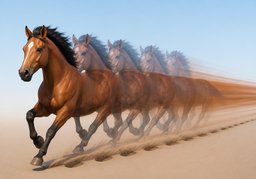
A horse keeps moving with its hooves never pausing, creating a picture of activity that continues with almost no breaks.
马不停蹄地加班mǎ bù tíng tí dì jiā bān
work overtime nonstop
马不停蹄地出差mǎ bù tíng tí dì chū chāi
go on business trips nonstop
马不停蹄地赶时间mǎ bù tíng tí dì gǎn shí jiān
hurry to beat the clock
接连不断jiē lián bú duàn: Following continuously, with each event coming after the last.
连轴转lián zhóu zhuǎn: Staying busy at work with hardly any chance to take a break.
夜以继日yè yǐ jì rì: Carrying on day and night without taking time to rest.
日夜兼程rì yè jiān chéng: Hurrying onward by using both daytime and nighttime for the journey.
用来形容某人或某事连续不断地进行,几乎没有停顿和休息。yòng lái xíng róng mǒu rén huò mǒu shì lián xù bú duàn dì jìn xíng jī hū méi yǒu tíng dùn hé xiū xī
马 (mǎ, "horse") + 不 (bù, "not") + 停 (tíng, "stop") + 蹄 (tí, "hoof") form the literal image of a horse that never stops its hooves, which becomes a metaphor for continuous activity.