

HSK · Level 57
105 words
Search Chinese words by characters, pinyin or English meaning.
Dictionaries
Quick links
Browse
 MotiSpiOfficial conversation app

Chinese word
Pinyingù bu de
他出事了,我顾不得吃饭。tā chū shì le wǒ gù bu de chī fàn
Something happened to him, so I don't have time to eat.
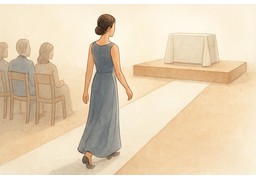
孩子发烧了,妈妈顾不得休息。hái zi fā shāo le mā mā gù bu de xiū xī
The child has a fever, so the mother has no time to rest.
A pressing event takes up all available attention, so a less urgent matter is left unattended.
顾不得吃饭gù bu de chī fàn
have no time to eat
顾不得休息gù bu de xiū xī
have no time to rest
顾不得照顾孩子gù bu de zhào gù hái zi
have no time to care for the children
顾不上gù bú shàng: Current demands leave no time or attention for another matter.
顾不了gù bù liǎo: Time or strength is too limited to take care of another matter.
来不及lái bù jí: The available time is too short for an action or preparation to be completed.
忙不过来máng bú guò lái: The amount of work or number of tasks is more than can be handled.
因为有更重要或更紧急的事,无暇理会其他事情。yīn wèi yǒu gèng zhòng yào huò gèng jǐn jí de shì wú xiá lǐ huì qí tā shì qíng
顾 (gù, "attend to") + 不得 (bùdé, "cannot") forms a phrase meaning that circumstances leave no room to attend to something else.