

HSK · Level 85
45 words
Search Chinese words by characters, pinyin or English meaning.
Dictionaries
Quick links
Browse
 MotiSpiOfficial conversation app

Chinese word
Pinyingé mìng
革命推翻了旧政府。gé mìng tuī fān le jiù zhèng fǔ
The revolution overthrew the old government.
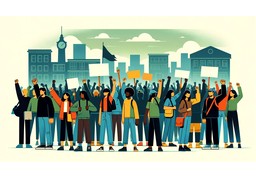
新思想推动了年轻人加入革命。xīn sī xiǎng tuī dòng le nián qīng rén jiā rù gé mìng
New ideas prompted young people to join the revolution.
An old public order gives way to a fundamentally new order through change on a society-wide scale.
武装革命wǔ zhuāng gé mìng
armed revolution
革命领袖gé mìng lǐng xiù
revolutionary leader
革命斗争gé mìng dòu zhēng
revolutionary struggle
改革gǎi gé: The revision of institutions, laws, or ways of doing things without replacing the whole system.
变革biàn gé: A substantial transformation of established structures or beliefs over time.
起义qǐ yì: A forceful uprising in which a group takes up arms against its rulers.
指以推翻或根本改造现有政治、社会体制,从而建立新秩序的重大社会变动zhǐ yǐ tuī fān huò gēn běn gǎi zào xiàn yǒu zhèng zhì shè huì tǐ zhì cóng ér jiàn lì xīn zhì xù de zhòng dà shè huì biàn dòng
革命 (gémìng, "revolution") literally suggests changing a mandate: 革 (gé, "to change") is paired with 命 (mìng, "mandate"), a compact image of replacing a dynasty and its governing order.