

Chinese Conversation · Level 23
90 words
Search Chinese words by characters, pinyin or English meaning.
Dictionaries
Quick links
Browse
 MotiSpiOfficial conversation app

Chinese word
Pinyinnán guò
听到这个消息,我很难过。tīng dào zhè ge xiāo xī wǒ hěn nán guò
When I heard the news, I was very sad.
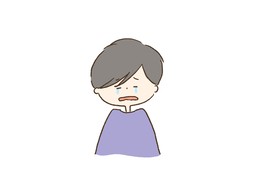
看到朋友受伤,我为他难过。kàn dào péng yǒu shòu shāng wǒ wèi tā nán guò
When I saw my friend injured, I felt sad for him.
A painful inner burden that makes a difficult moment hard to pass.
感到难过gǎn dào nán guò
feel sad
为他难过wèi tā nán guò
feel sad for him
悲伤bēi shāng: A deep, quiet sadness that continues over time.
失望shī wàng: Feeling let down and upset because hopes or expectations have not been met.
难受nán shòu: Feeling emotionally heavy and distressed during a painful time.
因遭受打击、失望或伤心而感到痛苦或不安,心情受到影响。yīn zāo shòu dǎ jī shī wàng huò shāng xīn ér gǎn dào tòng kǔ huò bù ān xīn qíng shòu dào yíng xiǎng
难过 (nánguò, "sad") is formed from 难 (nán, "difficult") + 过 (guò, "pass through"), linking emotional pain with the sense of being unable to get past a difficult moment.