

Chinese Conversation · Level 10
90 words
Search Chinese words by characters, pinyin or English meaning.
Dictionaries
Quick links
Browse
 MotiSpiOfficial conversation app

Chinese word
Pinyingé bì
我家的隔壁很吵。wǒ jiā de gé bì hěn chǎo
The house next door to mine is very noisy.
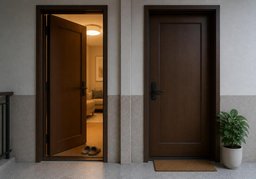
我们听到隔壁的声音,是电视声。wǒ men tīng dào gé bì de shēng yīn shì diàn shì shēng
We hear the sound from next door; it is the sound of a TV.
The immediate space or household on the other side of a shared wall, within easy reach but not part of one's own home.
隔壁住户gé bì zhù hù
next-door resident
隔壁的声音gé bì de shēng yīn
sound from next door
邻居lín jū: A person who lives in the same building or nearby.
对面duì miàn: The home or building directly across from a place.
旁边páng biān: The position immediately beside an object or place.
附近fù jìn: The nearby area around a particular place.
指与自己住所相邻、被墙或隔断分隔的另一户人家或相邻房间,常用于指代邻居或邻房。zhǐ yǔ zì jǐ zhù suǒ xiāng lín bèi qiáng huò gé duàn fēn gé de lìng yí hù rén jiā huò xiāng lín fáng jiān cháng yòng yú zhǐ dài lín jū huò lín fáng
隔 (gé, "separate") + 壁 (bì, "wall") literally presents what lies beyond a separating wall, which gives the compound its everyday sense of the place or household beside one's own.