

Chinese Conversation · Level 63
90 words
Search Chinese words by characters, pinyin or English meaning.
Dictionaries
Quick links
Browse
 MotiSpiOfficial conversation app

Chinese word
Pinyinyǐn tòng
跑步后我的腿有点隐痛。pǎo bù hòu wǒ de tuǐ yóu diǎn yǐn tòng
My leg has a slight dull ache after running.
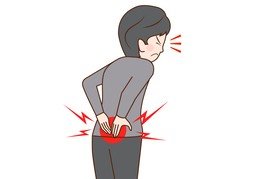
昨晚搬家后,我肩膀有隐痛。zuó wǎn bān jiā hòu wǒ jiān bǎng yǒu yǐn tòng
After moving house last night, I had a dull ache in my shoulder.
It is a quiet, hard-to-pinpoint pain that lingers in the background instead of arriving as a sharp point.
早上起床有隐痛zǎo shàng qǐ chuáng yǒu yǐn tòng
a dull ache after getting up in the morning
运动后有点隐痛yùn dòng hòu yóu diǎn yǐn tòng
a slight dull ache after exercising
疼痛téng tòng: A general term for pain felt in a part of the body.
酸痛suān tòng: An aching, heavy pain caused by tired muscles or similar strain.
钝痛dùn tòng: A dull pain that feels blunt rather than sharp.
刺痛cì tòng: A sharp, pricking pain that feels like a small stab.
指身体内部或某一部位持续或间歇出现、位置不明确且性质较钝的不适性疼痛。zhǐ shēn tǐ nèi bù huò mǒu yí bù wèi chí xù huò jiàn xiē chū xiàn wèi zhì bù míng què qiě xìng zhì jiào dùn de bú shì xìng téng tòng
The compound 隐痛 (yǐntòng, "dull ache") combines 隐 (yǐn, "hidden") with 痛 (tòng, "pain"), linking the sensation to a concealed or unclear source.