

HSK · Level 109
45 words
Search Chinese words by characters, pinyin or English meaning.
Dictionaries
Quick links
Browse
 MotiSpiOfficial conversation app

Chinese word
Pinyinxiàn jǐng
那是个陷阱,别上当。nà shì gè xiàn jǐng bié shàng dàng
That's a trap; don't fall for it.
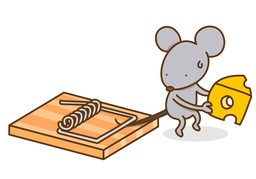
很多骗局的目的就是让人落入陷阱。hěn duō piàn jú de mù dì jiù shì ràng rén luò rù xiàn jǐng
The purpose of many scams is to make people fall into a trap.
A hidden lure or setup that draws someone into trouble, whether as a physical pit or a deceptive plan.
落入陷阱luò rù xiàn jǐng
fall into a trap
设下陷阱shè xià xiàn jǐng
set a trap
识破陷阱shí pò xiàn jǐng
see through a trap
圈套quān tào: A clever setup meant to deceive someone and get a desired action or benefit.
骗局piàn jú: A made-up transaction or scheme created to obtain money or gain through deception.
诡计guǐ jì: A crafty plan or method for deceiving and outsmarting someone.
诱饵yòu ěr: Something attractive placed or offered to draw a person or animal toward a target.
指通过诱饵、计策等使人落入不利境地的圈套或装置,也可指实际挖出的捕捉用坑洞。zhǐ tōng guò yòu ěr jì cè děng shǐ rén luò rù bú lì jìng dì de quān tào huò zhuāng zhì yě kě zhǐ shí jì wā chū de bǔ zhuō yòng kēng dòng
陷阱 (xiànjǐng, "trap") combines 陷 (xiàn, "to fall into") + 阱 (jǐng, "a pit dug to catch prey"), so a hole for catching animals extends to anything that makes a person fall into trouble.