

HSK · Level 98
45 words
Search Chinese words by characters, pinyin or English meaning.
Dictionaries
Quick links
Browse
 MotiSpiOfficial conversation app

Chinese word
Pinyinpéi zàng
人们把贵重物品陪葬在墓中。rén men bǎ guì zhòng wù pǐn péi zàng zài mù zhōng
People bury valuable objects with the dead in the tomb.
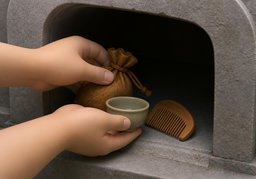
出土文献记载皇室曾把马匹和兵器陪葬。chū tǔ wén xiàn jì zǎi huáng shì céng bǎ má pǐ hé bīng qì péi zàng
Excavated documents record that the imperial family once buried horses and weapons with the dead.
A tomb receives an object as a companion or offering for the dead.
将大量财富陪葬入墓jiāng dà liàng cái fù péi zàng rù mù
bury a large amount of wealth with the dead in a tomb
陪葬于墓室péi zàng yú mù shì
be buried with the dead in the tomb chamber
随葬suí zàng: Put objects or people into a tomb to be buried with the dead.
殉葬xùn zàng: Be buried with a dead person as an act of loyalty or sacrifice.
葬送zàng sòng: Hold a funeral and escort the dead to the grave.
埋葬mái zàng: Bury a dead person or animal in the ground.
将随葬品或其他物品放入墓葬中,以供奉或陪伴死者。jiāng suí zàng pǐn huò qí tā wù pǐn fàng rù mù zàng zhōng yǐ gòng fèng huò péi bàn sí zhě
陪 (péi, "accompany") + 葬 (zàng, "bury") combines the ideas of accompanying and burial, giving the word its sense of placing an object beside the dead in a tomb.