

Chinese Conversation · Level 11
90 words
Search Chinese words by characters, pinyin or English meaning.
Dictionaries
Quick links
Browse
 MotiSpiOfficial conversation app

Chinese word
Pinyinyáng tái
我在阳台喝咖啡。wǒ zài yáng tái hē kā fēi
I'm drinking coffee on the balcony.
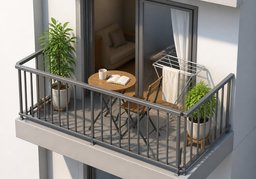
孩子们在阳台上玩耍,父母从窗里看着他们。hái zi men zài yáng tái shàng wán shuǎ fù mǔ cóng chuāng lǐ kàn zhe tā men
The children are playing on the balcony, and their parents are watching them from the window.
An outdoor platform that projects from a building, giving people a small place to stand, store things, or rest.
阳台晒太阳yáng tái shài tài yáng
bask in the sun on the balcony
推开阳台门tuī kāi yáng tái mén
push open the balcony door
在阳台上放花盆zài yáng tái shàng fàng huā pén
place flowerpots on the balcony
露台lù tái: A flat outdoor place joined to a building where people can stand or put things.
天台tiān tái: A flat open place at the highest part of a building, forming its roof area.
窗台chuāng tái: The narrow flat surface beneath a window where small objects can sit.
住宅或建筑外部伸出的可用空间,常用于放置盆栽、晾晒或短时休憩,形式有开放式或封闭式。zhù zhái huò jiàn zhù wài bù shēn chū de kě yòng kōng jiān cháng yòng yú fàng zhì pén zāi liàng shài huò duǎn shí xiū qì xíng shì yǒu kāi fàng shì huò fēng bì shì
阳台 (yángtái, "balcony") combines 阳 (yáng, "sun") and 台 (tái, "platform"), suggesting a platform exposed to sunlight.