

HSK · Level 40
120 words
Search Chinese words by characters, pinyin or English meaning.
Dictionaries
Quick links
Browse
 MotiSpiOfficial conversation app

Chinese word
Pinyincuò jué
别产生错觉,事情没那么简单。bié chǎn shēng cuò jué shì qíng méi nà me jiǎn dān
Don't be under the illusion that things are simple; things aren't that simple.
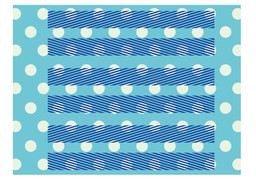
在昏暗环境下,会出现视觉错觉。zài hūn àn huán jìng xià huì chū xiàn shì jué cuò jué
In a dim environment, a visual illusion may appear.
A mistaken impression makes something seem real or true even though it does not match reality.
产生错觉chǎn shēng cuò jué
develop an illusion
视觉错觉shì jué cuò jué
visual illusion
造成错觉zào chéng cuò jué
create an illusion
误解wù jiě: An incorrect understanding of what someone says, does, or means.
误会wù huì: An incorrect understanding that develops between people when communication goes wrong.
幻觉huàn jué: Seeing, hearing, or feeling something that is not really present because of a medical condition.
感官或心理上对事物产生的错误感觉或印象,认为某事存在或像某一状态但与事实不符。gǎn guān huò xīn lǐ shàng duì shì wù chǎn shēng de cuò wù gǎn jué huò yìn xiàng rèn wéi mǒu shì cún zài huò xiàng mǒu yí zhuàng tài dàn yǔ shì shí bù fú
错 (cuò, "wrong") + 觉 (jué, "feeling") forms a word for a feeling or impression that has gone wrong.