

HSK · Level 31
135 words
Search Chinese words by characters, pinyin or English meaning.
Dictionaries
Quick links
Browse
 MotiSpiOfficial conversation app

Chinese word
Pinyinyě shēng
不要给野生动物喂食。bú yào gěi yě shēng dòng wù wèi shí
Do not feed wild animals.
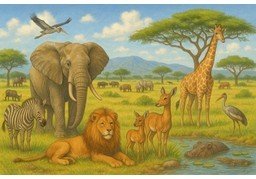
很多野生动物在夜间活动。hěn duō yě shēng dòng wù zài yè jiān huó dòng
Many wild animals are active at night.
Life that grows or lives in nature without human care, training, or cultivation.
野生动物yě shēng dòng wù
wild animals
野生栖息地yě shēng qī xī dì
wild habitat
野生植物yě shēng zhí wù
wild plants
流浪liú làng: Living on the streets without a home or regular human care.
家养jiā yǎng: Raised by people and given regular care in a managed environment.
人工rén gōng: Produced or altered by human work rather than occurring naturally.
表示生长或生活在自然环境中、未经人工驯养或栽培的状态,多用于动物和植物的描述。biǎo shì shēng zhǎng huò shēng huó zài zì rán huán jìng zhōng wèi jīng rén gōng xùn yǎng huò zāi péi de zhuàng tài duō yòng yú dòng wù hé zhí wù de miáo shù
野 (yě, "open land") + 生 (shēng, "to grow or live") forms a compound for life that grows or lives in the open rather than under human care.