

Chinese Conversation · Level 61
90 words
Search Chinese words by characters, pinyin or English meaning.
Dictionaries
Quick links
Browse
 MotiSpiOfficial conversation app

Chinese word
Pinyinzhòng kǒu wèi
这菜有点重口味,我不习惯。zhè cài yóu diǎn zhòng kǒu wèi wǒ bù xí guàn
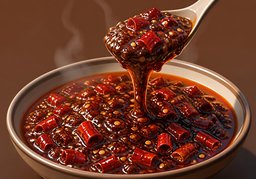
This dish tastes a little strong, and I'm not used to it.
他讲的笑话有点重口味,不是所有人都能接受。tā jiǎng de xiào huà yóu diǎn zhòng kǒu wèi bú shì suó yǒu rén dōu néng jiē shòu
His jokes are a little extreme, and not everyone can accept them.
Noticeably intense flavor or appeal that stands out through strong sensory stimulation.
比较重口味bǐ jiào zhòng kǒu wèi
rather strong-tasting
重口味的菜zhòng kǒu wèi de cài
strong-tasting dishes
口味重kǒu wèi zhòng: Strongly seasoned, especially with salt or other flavorings.
味道重wèi dào zhòng: Having a forceful flavor that lingers clearly on the tongue.
浓郁nóng yù: Having a rich, concentrated flavor or aroma with a strong presence.
辛辣xīn là: Having a strong spicy heat, especially from chili.
表示味道或嗜好具有强烈的感官刺激性,饮食上指调味重,嗜好上指偏好刺激或极端的事物。biǎo shì wèi dào huò shì hào jù yǒu qiáng liè de gǎn guān cì jī xìng yǐn shí shàng zhǐ tiáo wèi zhòng shì hào shàng zhǐ piān hào cì jī huò jí duān de shì wù
重口味 (zhòngkǒuwèi, "strong taste") comes from treating a flavor as "heavy," a food description that broadened to cover tastes for highly stimulating or extreme things.