

Chinese Conversation · Level 12
90 words
Search Chinese words by characters, pinyin or English meaning.
Dictionaries
Quick links
Browse
 MotiSpiOfficial conversation app

Chinese word
Pinyinpèi cài
今天中午的配菜只有青菜和鸡蛋。jīn tiān zhōng wǔ de pèi cài zhí yǒu qīng cài hé jī dàn
The only side dishes for lunch today are greens and eggs.
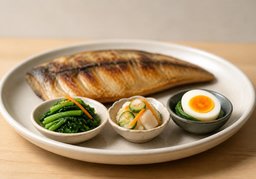
我们可以点配菜来搭配主菜。wǒ men ké yǐ diǎn pèi cài lái dā pèi zhǔ cài
We can order side dishes to go with the main dish.
The supporting food that balances a meal by standing beside its main dish.
点配菜diǎn pèi cài
order side dishes
配菜丰富pèi cài fēng fù
a wide selection of side dishes
副菜fù cài: A small dish served beside the main dish to balance the meal's taste and nutrition.
小菜xiǎo cài: A small, quickly prepared dish offered before a meal or alongside other food.
主菜zhǔ cài: The meal's principal dish, usually substantial and often centered on meat or fish.
指为搭配主菜而准备的简单菜品,通常以蔬菜或小份量的配料为主,常见于家庭餐或快餐的附加品。zhǐ wèi dā pèi zhǔ cài ér zhǔn bèi de jiǎn dān cài pǐn tōng cháng yǐ shū cài huò xiǎo fèn liàng de pèi liào wéi zhǔ cháng jiàn yú jiā tíng cān huò kuài cān de fù jiā pǐn
配菜 (pèicài, "side dish") joins 配 (pèi, "to accompany") and 菜 (cài, "dish or vegetable"), so the compound presents a dish selected to go with the meal's main item.