

HSK · Level 30
135 words
Search Chinese words by characters, pinyin or English meaning.
Dictionaries
Quick links
Browse
 MotiSpiOfficial conversation app

Chinese word
Pinyinjiāo wài
他们周末常去郊外散步。tā men zhōu mò cháng qù jiāo wài sàn bù
They often go for walks in the suburbs on weekends.
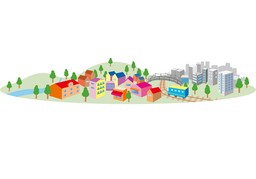
孩子们在郊外的公园里玩耍。hái zi men zài jiāo wài de gōng yuán lǐ wán shuǎ
The children are playing in a park in the suburbs.
A lower-density belt around a city, where homes, open land, and natural spaces replace the dense center.
去郊外旅行qù jiāo wài lǚ xíng
travel to the suburbs
在郊外居住zài jiāo wài jū zhù
live in the suburbs
郊外住宅区jiāo wài zhù zhái qū
suburban residential area
近郊jìn jiāo: A nearby suburban area within easy reach for commuting or a day trip.
郊区jiāo qū: An administrative district outside a city's built-up center.
远郊yuǎn jiāo: A distant suburban area with much nature or farmland and few people.
相对于市中心,靠近城市但建筑密度较低且多为住宅或自然空间的地区。xiāng duì yú shì zhōng xīn kào jìn chéng shì dàn jiàn zhù mì dù jiào dī qiě duō wèi zhù zhái huò zì rán kōng jiān de dì qū
郊外 (jiāowài, "outskirts") combines 郊 (jiāo, "city outskirts") + 外 (wài, "outside"), linking the historic idea of land beyond a city boundary to the modern word.