

HSK · Level 121
46 words
Search Chinese words by characters, pinyin or English meaning.
Dictionaries
Quick links
Browse
 MotiSpiOfficial conversation app

Chinese word
Pinyindǎi
居民合力把小偷逮住了。jū mín hé lì bǎ xiǎo tōu dǎi zhù le
The residents joined forces to catch the thief.
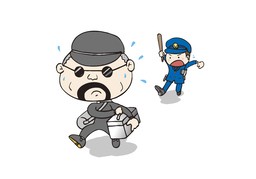
犯罪嫌疑人在机场安检时被警察当场逮捕。fàn zuì xián yí rén zài jī chǎng ān jiǎn shí bèi jǐng chá dāng chǎng dài bǔ
The suspect was arrested by police on the spot during airport security screening.
A moving person or animal is reached, stopped, and held so it cannot get away.
被逮捕bèi dài bǔ
be arrested
逮到dǎi dào
catch
抓住zhuā zhù: Grab and hold someone or something with the hands or a tool to stop its movement.
逮捕dài bǔ: Legally arrest a criminal or suspected offender.
拘捕jū bǔ: Seize a person by force and secure them in custody.
捉拿zhuō ná: Capture a fleeing person and take them away after stopping them.
捉住并限制其行动以便带走或控制,多指对人或动物进行的现场抓获。zhuō zhù bìng xiàn zhì qí xíng dòng yǐ biàn dài zǒu huò kòng zhì duō zhǐ duì rén huò dòng wù jìn xíng de xiàn chǎng zhuā huò
逮 (dǎi, "catch") uses 辶 (chuò, "movement") for the idea of going toward someone and 隶 (lì, "servant") for its sound, linking pursuit with the modern sense of taking a living target under control.