

HSK · Level 45
120 words
Search Chinese words by characters, pinyin or English meaning.
Dictionaries
Quick links
Browse
 MotiSpiOfficial conversation app

Chinese word
Pinyinshì shì
他的奶奶今天早上逝世了。tā de nái nǎi jīn tiān zǎo shàng shì shì le
His grandmother passed away this morning.
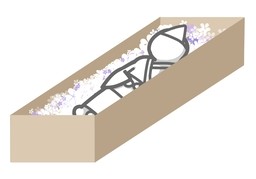
那位外交家在出访途中突然逝世。nà wèi wài jiāo jiā zài chū fǎng tú zhōng tū rán shì shì
That diplomat passed away suddenly while on a visit abroad.
A respectful, formal way to mark a person's departure from the human world.
在医院里逝世zài yī yuàn lǐ shì shì
pass away in the hospital
在家中逝世zài jiā zhōng shì shì
pass away at home
突然逝世tū rán shì shì
pass away suddenly
去世qù shì: An everyday verb for saying that someone has died.
死亡sǐ wáng: A formal, factual verb that directly states that a person has died.
过世guò shì: A mild and considerate verb for saying that someone has died.
逝去shì qù: A respectful literary verb for reporting a person's death in written language.
对人的死亡作礼貌性表述的动词,表明人已离开世间且含有敬意,语体偏正式,常用于公告、讣闻及新闻报道中。duì rén de sǐ wáng zuò lǐ mào xìng biǎo shù de dòng cí biǎo míng rén yǐ lí kāi shì jiān qiě hán yǒu jìng yì yú tǐ piān zhèng shì cháng yòng yú gōng gào fù wén jí xīn wén bào dào zhōng
The word combines 逝 (shì, "depart") with 世 (shì, "world"), framing death as leaving the human world.