

Chinese Conversation · Level 17
90 words
Search Chinese words by characters, pinyin or English meaning.
Dictionaries
Quick links
Browse
 MotiSpiOfficial conversation app

Chinese word
Pinyintuì fáng
我明天中午要退房。wǒ míng tiān zhōng wǔ yào tuì fáng
I need to check out at noon tomorrow.
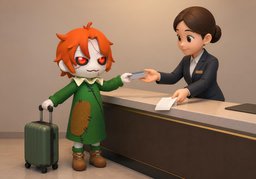
我已经在前台退房并交回房卡。wǒ yǐ jīng zài qián tái tuì fáng bìng jiāo huí fáng kǎ
I have already checked out at the front desk and returned the room key.
A hotel stay reaches its formal endpoint when the guest leaves the room and gives it back to the hotel.
办理退房bàn lǐ tuì fáng
complete check-out
在前台退房zài qián tái tuì fáng
check out at the front desk
提前退房tí qián tuì fáng
check out early
结账jié zhàng: Settling a bill so that payment for a purchase or stay is complete.
入住rù zhù: Checking into a hotel by arriving and beginning to use the assigned room.
退租tuì zū: Giving up a rented property and ending its rental agreement.
结束住宿,搬出房间并在前台办理结账离开,通常包括退还钥匙和清点物品。jié shù zhù sù bān chū fáng jiān bìng zài qián tái bàn lǐ jié zhàng lí kāi tōng cháng bāo kuò tuì huán yào shi hé qīng diǎn wù pǐn
退房 (tuìfáng, "check out") combines 退 (tuì, "leave or return") with 房 (fáng, "room"), creating the image of leaving a room and returning it at the end of a stay.