

HSK · Level 70
75 words
Search Chinese words by characters, pinyin or English meaning.
Dictionaries
Quick links
Browse
 MotiSpiOfficial conversation app

Chinese word
Pinyinzhuī wěi
后面的车把前车追尾了。hòu miàn de chē bǎ qián chē zhuī wěi le
The car behind rear-ended the car in front.
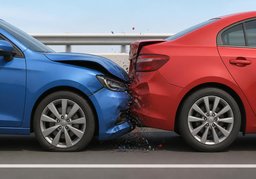
高速公路上,他为避让突然变道的车辆,不慎被后车追尾。gāo sù gōng lù shàng tā wèi bì ràng tū rán biàn dào de chē liàng bú shèn bèi hòu chē zhuī wěi
On the highway, he was accidentally rear-ended by the car behind him while avoiding a vehicle that suddenly changed lanes.
A vehicle closes in from behind until its front hits the vehicle ahead.
遭到追尾zāo dào zhuī wěi
be rear-ended
后车追尾前车hòu chē zhuī wěi qián chē
the car behind rear-ends the car in front
撞击zhuàng jī: Hit another object forcefully.
撞上zhuàng shàng: Run into and make contact with another person or object.
追踪zhuī zōng: Track a target by following its trail or clues.
指紧跟在前车后方并撞上前车的动作,多用于交通事故的表述。zhǐ jǐn gēn zài qián chē hòu fāng bìng zhuàng shàng qián chē de dòng zuò duō yòng yú jiāo tōng shì gù de biǎo shù
追 (zhuī, "pursue") + 尾 (wěi, "tail") literally describe catching the back of something, and in traffic Chinese uses the compound for a vehicle striking the one ahead.