

Chinese Conversation · Level 11
90 words
Search Chinese words by characters, pinyin or English meaning.
Dictionaries
Quick links
Browse
 MotiSpiOfficial conversation app

Chinese word
Pinyinmí lù
我去市场时迷路了。wǒ qù shì chǎng shí mí lù le
I got lost when I went to the market.
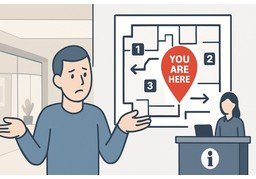
出差到外地,他在陌生的街区迷路了。chū chāi dào wài dì tā zài mò shēng de jiē qū mí lù le
While on a business trip out of town, he got lost in an unfamiliar neighborhood.
A traveler reaches a tangle of roads where the route to the intended destination is no longer clear.
在城市里迷路zài chéng shì lǐ mí lù
get lost in the city
在国外迷路zài guó wài mí lù
get lost abroad
迷路了mí lù le
got lost
迷失mí shī: Lose track of one's location or direction and no longer know where to go.
走错方向zǒu cuò fāng xiàng: Go the wrong way after choosing an incorrect direction.
走动时找不到方向或误入复杂路网,从而无法按原计划到达目的地。zǒu dòng shí zhǎo bú dào fāng xiàng huò wù rù fù zá lù wǎng cóng ér wú fǎ àn yuán jì huà dào dá mù dì dì
迷 (mí, "lose one's way") + 路 (lù, "road") joins the loss of direction with the road itself, forming the everyday verb for being unable to follow a route.