

Chinese Conversation · Level 18
90 words
Search Chinese words by characters, pinyin or English meaning.
Dictionaries
Quick links
Browse
 MotiSpiOfficial conversation app

Chinese word
Pinyinhái
他还没来。tā hái méi lái
He still hasn't come.
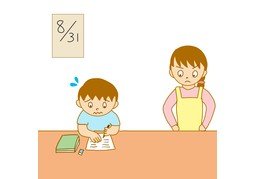
我们还没吃饭。wǒ men hái méi chī fàn
We still haven't eaten.
What has not ended stays present, can go further, or returns to where it belongs.
还没hái méi
still not
还在hái zài
still ___
还没来hái méi lái
still not come
还在hái zài: Indicates that an action or state is still continuing at the present time.
还要hái yào: Indicates that something more is added beyond the current amount, degree, or step.
再zài: Indicates that an action will happen again or take place at a later time.
主要表示某事在某一时点仍未结束或仍在进行(相当于“还没”“仍然”),也可表示追加或程度上的更高;另有作为动词表示把东西归还的用法。zhǔ yào biǎo shì mǒu shì zài mǒu yì shí diǎn réng wèi jié shù huò réng zài jìn xíng xiāng dāng yú hái méi réng rán yě kě biǎo shì zhuī jiā huò chéng dù shàng de gèng gāo lìng yǒu zuò wéi dòng cí biǎo shì bǎ dōng xī guī huán de yòng fǎ
The character 还 (hái, "still") has an older return sense; Chinese later used the same form for what remains or adds another step, while the return reading is huán.