

HSK · Level 42
120 words
Search Chinese words by characters, pinyin or English meaning.
Dictionaries
Quick links
Browse
 MotiSpiOfficial conversation app

Chinese word
Pinyinguò wǎng
不要让过往影响现在。bú yào ràng guò wǎng yíng xiǎng xiàn zài
Do not let the past affect the present.
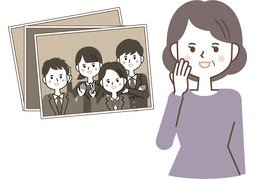
她终于学会放下过往。tā zhōng yú xué huì fàng xià guò wǎng
She finally learned to let go of the past.
A stretch of time and experience that has moved behind the present and remains as history.
放下过往fàng xià guò wǎng
let go of the past
与过往告别yǔ guò wǎng gào bié
say goodbye to the past
过往恋情guò wǎng liàn qíng
past romance
过去guò qù: A time or event that occurred before the present.
以前yǐ qián: An earlier period or state before a given point in time.
往事wǎng shì: A bygone event or memory from long ago.
指已经发生并成为往事的事情或经历,作为名词使用时强调时间已逝和与现在的区别。zhǐ yǐ jīng fā shēng bìng chéng wéi wǎng shì de shì qíng huò jīng lì zuò wéi míng cí shǐ yòng shí qiáng diào shí jiān yǐ shì hé yǔ xiàn zài de qū bié
过 (guò, "pass") + 往 (wǎng, "go onward") forms 过往 (guòwǎng, "past"), presenting earlier events as time that has gone by.