

HSK · Level 65
90 words
Search Chinese words by characters, pinyin or English meaning.
Dictionaries
Quick links
Browse
 MotiSpiOfficial conversation app

Chinese word
Pinyinguò bù qù
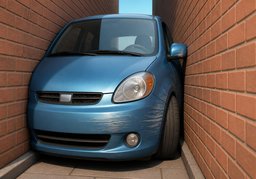
这条路太窄,车过不去。zhè tiáo lù tài zhǎi chē guò bú qù
The road is too narrow for the car to get through.
行李太大,门缝过不去。xíng lǐ tài dà mén fèng guò bú qù
The luggage is too big to fit through the door gap.
A moving person or thing is stopped because a barrier or narrow passage leaves no usable way forward.
电梯里过不去diàn tī lǐ guò bú qù
can't get past in the elevator
门缝过不去mén fèng guò bú qù
can't fit through the door gap
卡住kǎ zhù: Become stuck partway because a thing or part cannot move any farther.
碰壁pèng bì: Meet an obstacle and be unable to move forward.
通不过tōng bú guò: Be unable to pass through because the way is too narrow or blocked.
过不来guò bù lái: Be unable to come from the other side to this side.
口语中常用,表示因障碍或尺寸限制导致物体、车辆或人员无法通过某一处。kóu yǔ zhōng cháng yòng biǎo shì yīn zhàng ài huò chǐ cùn xiàn zhì dǎo zhì wù tǐ chē liàng huò rén yuán wú fǎ tōng guò mǒu yí chù
过 (guò, "cross") + 不 (bù, "not") + 去 (qù, "go onward") forms a spoken potential pattern, with 不 inserted before the directional complement to show that passage cannot succeed.