

Chinese Conversation · Level 26
90 words
Search Chinese words by characters, pinyin or English meaning.
Dictionaries
Quick links
Browse
 MotiSpiOfficial conversation app

Chinese word
Pinyinxīn kǔ
最近工作很辛苦。zuì jìn gōng zuò hěn xīn kǔ
Recently, work has been very hard.
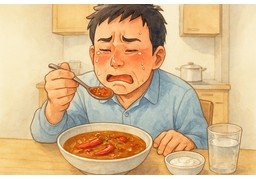
项目结束后,大家互相说:你们这段时间真辛苦了。xiàng mù jié shù hòu dà jiā hù xiāng shuō nǐ men zhè duàn shí jiān zhēn xīn kǔ le
When the project ended, everyone said to one another, "You have all worked really hard during this time."
A stretch of effort or difficulty that leaves a person feeling worn down.
你辛苦了nǐ xīn kǔ le
You've worked hard
辛苦的日子xīn kǔ de rì zi
difficult days
辛苦的经历xīn kǔ de jīng lì
hard experiences
艰苦jiān kǔ: Describes work or conditions made difficult by hardship and the great effort needed to succeed.
吃力chī lì: Describes something that is tiring because it uses a great deal of strength.
劳累láo lèi: Describes the tired, uncomfortable state caused by long hours or heavy demands.
困难kùn nán: Describes something that is hard to achieve or solve and makes handling it stressful.
因工作、学习或其他事务而感到费力或难受,常用来描述遭遇困难和付出较多努力的情形。yīn gōng zuò xué xí huò qí tā shì wù ér gǎn dào fèi lì huò nán shòu cháng yòng lái miáo shù zāo yù kùn nán hé fù chū jiào duō nǔ lì de qíng xíng
辛 (xīn, "pungent") + 苦 (kǔ, "bitter") joins two unpleasant sensations into a picture of effort that feels difficult and burdensome.