

HSK · Level 40
120 words
Search Chinese words by characters, pinyin or English meaning.
Dictionaries
Quick links
Browse
 MotiSpiOfficial conversation app

Chinese word
Pinyinduǒ cáng
他在柜子里躲藏。tā zài guì zi lǐ duǒ cáng
He is hiding in the cabinet.
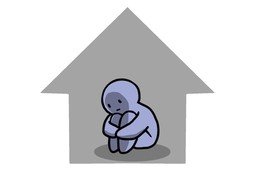
他在墙角躲藏,静静地听门外的动静。tā zài qiáng jiǎo duǒ cáng jìng jìng dì tīng mén wài de dòng jìng
He hid in the corner by the wall and quietly listened to the sounds outside the door.
Keeps a person or thing outside the range of sight and search.
躲藏在墙后duǒ cáng zài qiáng hòu
hide behind a wall
躲藏在草丛里duǒ cáng zài cǎo cóng lǐ
hide in the grass
躲藏于人群中duǒ cáng yú rén qún zhōng
hide among the crowd
藏cáng: Put a person or thing in a hidden place for safekeeping or concealment.
隐藏yǐn cáng: Conceal a person, thing, or action so it stays outside other people's view.
逃避táo bì: Avoid responsibility or difficulty instead of facing it.
躲避duǒ bì: Move away from an attack or danger to stay safe.
把自己或东西藏到别人看不到的地方,既可指人为避开别人,也可指把东西藏起来以免被发现。bǎ zì jǐ huò dōng xī cáng dào bié rén kàn bú dào de dì fāng jì kě zhǐ rén wéi bì kāi bié rén yě kě zhǐ bǎ dōng xī cáng qǐ lái yí miǎn bèi fā xiàn
躲藏 (duǒcáng, "to hide") combines 躲 (duǒ, "avoid") with 藏 (cáng, "conceal"), linking escape from notice with being kept out of sight.