

HSK · Level 96
45 words
Search Chinese words by characters, pinyin or English meaning.
Dictionaries
Quick links
Browse
 MotiSpiOfficial conversation app

Chinese word
Pinyinshēn yǐng
夜里只看到远处的身影,就没敢靠近。yè lǐ zhǐ kàn dào yuǎn chù de shēn yǐng jiù méi gǎn kào jìn
At night, we could only see a distant figure, so we did not dare go near.
窗外出现了一个身影,我以为是邮递员。chuāng wài chū xiàn le yí gè shēn yǐng wǒ yǐ wéi shì yóu dì yuán
A figure appeared outside the window, and I thought it was a mail carrier.
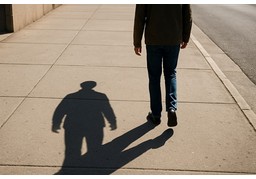
The faint human form that remains visible when distance, darkness, or backlighting hides the person's details.
隐约的身影yǐn yuē de shēn yǐng
indistinct figure
远处的身影yuǎn chù de shēn yǐng
distant figure
消失的身影xiāo shī de shēn yǐng
fading figure
人影rén yǐng: The visible shape of a person in a distant or poorly lit place.
影子yǐng zi: A dark shape formed on a surface by a person or object blocking light.
轮廓lún kuò: The visible outer line that shows the shape of a person or object.
表示人的轮廓或身形的名词,多指在距离、背光或暗处只能辨认出人体外形的情形。biǎo shì rén de lún kuò huò shēn xíng de míng cí duō zhǐ zài jù lí bèi guāng huò àn chù zhǐ néng biàn rèn chū rén tǐ wài xíng de qíng xíng
身影 (shēnyǐng, "human outline") is formed from 身 (shēn, "body") + 影 (yǐng, "shadow or image"), so it names the visible shape of a person rather than a fully seen individual.