

Chinese Conversation · Level 30
90 words
Search Chinese words by characters, pinyin or English meaning.
Dictionaries
Quick links
Browse
 MotiSpiOfficial conversation app

Chinese word
Pinyindūn
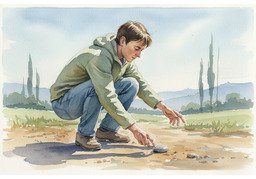
他在地上蹲着系鞋带。tā zài dì shàng dūn zhe jì xié dài
He is squatting on the ground and tying his shoelaces.
医生让病人先蹲下再检查膝盖。yī shēng ràng bìng rén xiān dūn xià zài jiǎn chá xī gài
The doctor told the patient to squat down first and then examined the knee.
The body shifts from standing to a low, knee-bent position, with the same image covering both the downward movement and the posture that follows.
蹲下dūn xià
squat down
蹲着休息dūn zhe xiū xī
squat and rest
蹲着系鞋带dūn zhe jì xié dài
squat and tie one's shoelaces
坐zuò: Bring the body down until the buttocks rest on a surface.
站zhàn: Keep the body raised upright on both feet.
躺tǎng: Lie with the body extended along a bed, floor, or other surface.
跪guì: Kneel with the body lowered and the knees touching the ground.
屈膝使身体重心降低以贴近地面,既可指一次的下蹲动作,也可指以蹲姿停留或等待的状态。qū xī shǐ shēn tǐ zhòng xīn jiàng dī yǐ tiē jìn dì miàn jì kě zhǐ yí cì de xià dūn dòng zuò yě kě zhǐ yǐ dūn zī tíng liú huò děng dài de zhuàng tài
蹲 (dūn, "squat") is a phonetic compound: 足 (zú, "foot") points to movement by the legs, while 尊 (zūn, "honor") supplies the sound.