

HSK · Level 40
120 words
Search Chinese words by characters, pinyin or English meaning.
Dictionaries
Quick links
Browse
 MotiSpiOfficial conversation app

Chinese word
Pinyinpā
他在床上趴着看书。tā zài chuáng shàng pā zhe kàn shū
He is lying on his stomach on the bed and reading a book.
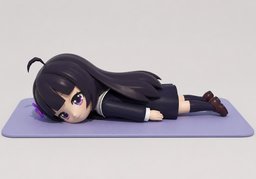
猫在阳光下趴着打盹。māo zài yáng guāng xià pā zhe dá dǔn
The cat is lying on its stomach in the sun and dozing.
A low forward posture places the chest or belly against the ground, a bed, or another supporting surface.
趴在沙发上pā zài shā fā shàng
lie on one's stomach on the sofa
趴着看书pā zhe kàn shū
read a book lying on one's stomach
趴下pā xià: Lie down on the stomach, often as a short spoken instruction.
俯卧fǔ wò: Lie face down, especially in formal or written descriptions.
躺下tǎng xià: Lie down on a bed or floor to rest or sleep.
常用动词,表示人或动物将身体向前压低,使胸腹贴住地面或床等,从而处于腹部着地的姿势或动作。cháng yòng dòng cí biǎo shì rén huò dòng wù jiāng shēn tǐ xiàng qián yā dī shǐ xiōng fù tiē zhù dì miàn huò chuáng děng cóng ér chǔ yú fù bù zhe dì de zī shì huò dòng zuò
The character 趴 (pā, "lie on one's stomach") uses 足 (zú, "foot") + 八 (bā, "eight"), linking a bodily-action meaning with an approximate pronunciation clue.