

HSK · Level 96
45 words
Search Chinese words by characters, pinyin or English meaning.
Dictionaries
Quick links
Browse
 MotiSpiOfficial conversation app

Chinese word
Pinyinshú
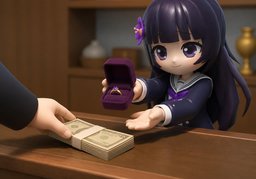
他把戒指当了,明天去赎回。tā bǎ jiè zhǐ dāng le míng tiān qù shú huí
He pawned the ring and will buy it back tomorrow.
他用积蓄把抵押的房子赎回。tā yòng jī xù bǎ dǐ yā de fáng zi shú huí
He used his savings to buy back the mortgaged house.
A payment brings a held object back into its owner's hands, or balances a moral debt by bearing a cost.
赎回shú huí
buy back
赎罪shú zuì
atone
赎回shú huí: Pay to get back an item placed in pawn or used as security.
偿还cháng huán: Settle a debt by returning the money borrowed.
买回mǎi huí: Pay to obtain again something that was sold.
补偿bǔ cháng: Compensate someone financially for damage or loss.
把抵押、典当或被占有的东西用钱买回;也指以代价补偿或弥补过失、偿还罪责(如赎回、赎罪)。bǎ dǐ yā diǎn dàng huò bèi zhàn yǒu de dōng xī yòng qián mǎi huí yě zhǐ yǐ dài jià bǔ cháng huò mí bǔ guò shī cháng huán zuì zé rú shú huí shú zuì
The character 赎 (shú, "buy back") includes 贝 (bèi, "shell; money symbol"), reflecting its early link with paying to recover property and its later extension to making amends for wrongdoing.