

HSK · Level 65
90 words
Search Chinese words by characters, pinyin or English meaning.
Dictionaries
Quick links
Browse
 MotiSpiOfficial conversation app

Chinese word
Pinyintān wánr
父母说孩子太贪玩儿,应该早点睡。fù mǔ shuō hái zi tài tān wánr yīng gāi záo diǎn shuì
Parents say their child is too fond of playing and should go to bed earlier.
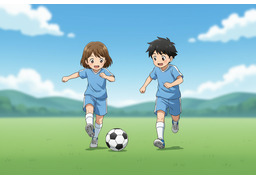
他贪玩儿成性,导致成绩下降。tā tān wánr chéng xìng dǎo zhì chéng jì xià jiàng
He is habitually fond of playing, which has caused his grades to fall.
A strong pull toward play that crowds out time meant for study or work.
贪玩儿成性tān wánr chéng xìng
be habitually fond of playing
不再贪玩儿bú zài tān wánr
no longer be fond of playing
爱玩儿ài wánr: Being someone who enjoys playing and frequently chooses it for fun.
贪玩tān wán: Being habitually caught up in play and putting necessary work aside.
爱玩且难以自制,经常把时间花在玩耍上,从而影响学习或工作的一种习惯性表现。ài wán qiě nán yǐ zì zhì jīng cháng bǎ shí jiān huā zài wán shuǎ shàng cóng ér yíng xiǎng xué xí huò gōng zuò de yì zhǒng xí guàn xìng biǎo xiàn
贪玩儿 (tānwáner, "fond of playing") combines 贪 (tān, "be greedy for") with 玩儿 (wánr, "play"), portraying play as something a person wants so much that it becomes a habit.