

HSK · Level 35
120 words
Search Chinese words by characters, pinyin or English meaning.
Dictionaries
Quick links
Browse
 MotiSpiOfficial conversation app

Chinese word
Pinyincái wù
请不要随意动别人的财物。qǐng bú yào suí yì dòng bié rén de cái wù
Please do not touch other people's belongings without permission.
宿舍要定期清点个人财物,以免发生遗失。sù shè yào dìng qī qīng diǎn gè rén cái wù yí miǎn fā shēng yí shī
At the dormitory, people should regularly count their personal belongings to prevent them from being lost.
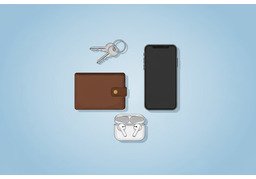
A practical property category containing physical things and money that an owner can hold, manage, or deal with.
清点财物qīng diǎn cái wù
take inventory of belongings
保管财物báo guǎn cái wù
safeguard belongings
找回财物zhǎo huí cái wù
retrieve belongings
财产cái chǎn: Valuable property such as money, land, buildings, or legal ownership rights.
东西dōng xī: A casual word for an ordinary thing or item used in everyday life.
个人物品gè rén wù pǐn: Privately owned everyday belongings carried or used by one person.
某人或机构所有的可被占有、保管或处理的具体物品或金钱,强调可作为财产处理的对象。mǒu rén huò jī gòu suó yǒu de kě bèi zhàn yǒu báo guǎn huò chú lǐ de jù tǐ wù pǐn huò jīn qián qiáng diào kě zuò wéi cái chǎn chú lǐ de duì xiàng
财 (cái, "wealth") + 物 (wù, "thing") joins economic value to a concrete thing, creating a broad category for possessions treated as property.