

HSK · Level 94
45 words
Search Chinese words by characters, pinyin or English meaning.
Dictionaries
Quick links
Browse
 MotiSpiOfficial conversation app

Chinese word
Pinyinwù dǎo
广告会误导消费者。guǎng gào huì wù dǎo xiāo fèi zhě
Advertisements can mislead consumers.
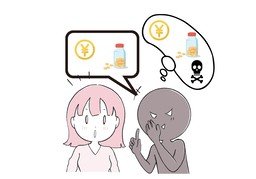
错误的结论会误导读者。cuò wù de jié lùn huì wù dǎo dú zhě
Incorrect conclusions can mislead readers.
Points a person away from the facts and toward an incorrect belief or decision.
误导读者wù dǎo dú zhě
mislead readers
误导用户wù dǎo yòng hù
mislead users
误导学生wù dǎo xué shēng
mislead students
欺骗qī piàn: Tricking someone by telling lies or hiding the truth from them.
误解wù jiě: Understanding information or someone's words incorrectly and taking them to mean something else.
引导yín dǎo: Guiding someone in a particular direction through advice or actions.
使他人产生错误的认识或判断,通常指通过言语、信息或行为让对方理解偏离事实。shǐ tā rén chǎn shēng cuò wù de rèn shí huò pàn duàn tōng cháng zhǐ tōng guò yán yǔ xìn xī huò xíng wéi ràng duì fāng lí jiě piān lí shì shí
误 (wù, "error") + 导 (dǎo, "guide") presents the word as guidance with an erroneous destination, linking the form directly to a mistaken view or choice.