

HSK · Level 98
45 words
Search Chinese words by characters, pinyin or English meaning.
Dictionaries
Quick links
Browse
 MotiSpiOfficial conversation app

Chinese word
Pinyinyào mìng
他忙得要命。tā máng de yào mìng
He is terribly busy.
他饿得要命,先把桌上的饭都吃了。tā è de yào mìng xiān bǎ zhuō shàng de fàn dōu chī le
He was terribly hungry, so he ate all the food on the table first.
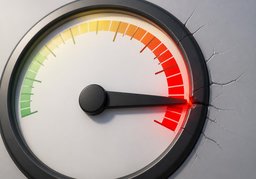
A condition pushed so far that it seems to reach the limit of endurance.
忙得要命máng de yào mìng
terribly busy
饿得要命è de yào mìng
terribly hungry
疼得要命téng de yào mìng
in terrible pain
非常fēi cháng: Means very or greatly and gives a quality or action a high degree.
特别tè bié: Marks a quality or action as particularly strong in degree.
太tài: Marks a degree as excessive and beyond what is suitable.
极其jí qí: Expresses an exceptionally high degree in formal or written language.
口语中表示程度极高的副词,常与“得”连用,置于动词或形容词后以夸张程度,表示非常、极其。例:他忙得要命。kóu yǔ zhōng biǎo shì chéng dù jí gāo de fù cí cháng yǔ dé lián yòng zhì yú dòng cí huò xíng róng cí hòu yǐ kuā zhāng chéng dù biǎo shì fēi cháng jí qí lì tā máng de yào mìng
要 (yào, "to cause") + 命 (mìng, "life") presents something as affecting life, which explains its later use for an extreme degree.