

Chinese Conversation · Level 11
90 words
Search Chinese words by characters, pinyin or English meaning.
Dictionaries
Quick links
Browse
 MotiSpiOfficial conversation app

Chinese word
Pinyinxiù zi
孩子把铅笔塞进了外套的袖子。hái zi bǎ qiān bǐ sāi jìn le wài tào de xiù zi
The child put a pencil into the sleeve of the coat.
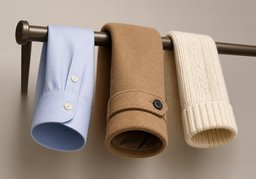
他把袖子卷起来洗手。tā bǎ xiù zi juǎn qǐ lái xí shǒu
He rolled up his sleeve to wash his hands.
A cloth section of a garment that covers the arm, protects it from the weather, and can be pushed up for easier movement.
卷起袖子juán qǐ xiù zi
roll up one's sleeves
弄脏袖子nòng zāng xiù zi
get one's sleeves dirty
袖子破了xiù zi pò le
One's sleeve is torn
衣袖yī xiù: The sleeve of a garment, used mainly in formal or written descriptions.
袖口xiù kǒu: The opening and edge at the end of a sleeve.
衣服两侧或袖口处的布料,用于遮挡风寒、修饰外观或卷起后方便活动。yī fú liǎng cè huò xiù kǒu chù de bù liào yòng yú zhē dǎng fēng hán xiū shì wài guān huò juán qǐ hòu fāng biàn huó dòng
袖 (xiù, "sleeve") is the older word for the arm covering, while 子 (zi, "noun-forming suffix") makes 袖子 (xiùzi, "sleeve") the common modern noun.