

HSK · Level 36
120 words
Search Chinese words by characters, pinyin or English meaning.
Dictionaries
Quick links
Browse
 MotiSpiOfficial conversation app

Chinese word
Pinyinxū
失恋后他常常感到很虚。shī liàn hòu tā cháng cháng gǎn dào hěn xū
After the breakup, he often feels very hollow.
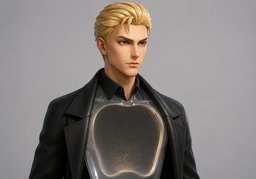
长期没有目标,容易感到虚。cháng qī méi yǒu mù biāo róng yì gǎn dào xū
When people have no goals for a long time, they can easily feel hollow.
A person feels as if an inner space has lost its filling, leaving little sense of fullness.
感到虚gǎn dào xū
feel hollow
觉得虚jué de xū
feel hollow
对生活感到虚duì shēng huó gǎn dào xū
feel hollow about life
空虚kōng xū: Feeling an inner emptiness marked by low satisfaction and loneliness.
空洞kōng dòng: Feeling an inner hole that makes emotions and meaning seem faint.
虚无xū wú: Feeling spiritually empty because the meaning and value of life seem lost.
指内心感到空荡、缺乏满足或意义的状态。zhǐ nèi xīn gǎn dào kōng dàng quē fá mǎn zú huò yì yì de zhuàng tài
The older meaning of 虚 (xū, "empty; void") refers to a lack of contents, and it extends naturally to a person who feels empty inside.