

Chinese Conversation · Level 38
90 words
Search Chinese words by characters, pinyin or English meaning.
Dictionaries
Quick links
Browse
 MotiSpiOfficial conversation app

Chinese word
Pinyinzhàn
吃饺子的时候把饺子蘸醋。chī jiǎo zi de shí hòu bǎ jiǎo zi zhàn cù
When eating dumplings, dip them in vinegar.
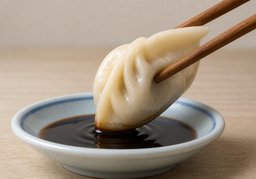
炸春卷通常蘸酱吃。zhà chūn juǎn tōng cháng zhàn jiàng chī
Fried spring rolls are usually dipped in sauce before eating.
Bring a piece of food into brief contact with sauce or another liquid, rather than leaving it submerged.
蘸醋zhàn cù
dip in vinegar
蘸酱zhàn jiàng
dip in sauce
蘸着吃zhàn zhe chī
dip and eat
沾zhān: Briefly touch or place something in liquid to wet it or pick up a small amount.
涮shuàn: Briefly place meat or vegetables in hot water or soup to cook them.
浸jìn: Leave something in liquid for a while so the liquid soaks into it.
把食物放入调料或其他液体中短时间接触以获得味道的行为,通常不表示长时间浸泡。bǎ shí wù fàng rù tiáo liào huò qí tā yè tǐ zhōng duǎn shí jiān jiē chù yǐ huò dé wèi dào de xíng wéi tōng cháng bù biǎo shì cháng shí jiān jìn pào
The written form 蘸 (zhàn, "dip") developed as a specialized form related to 沾 (zhān, "become wet or adhere"), narrowing that general idea to food meeting a liquid seasoning.