

Chinese Conversation · Level 25
90 words
Search Chinese words by characters, pinyin or English meaning.
Dictionaries
Quick links
Browse
 MotiSpiOfficial conversation app

Chinese word
Pinyinhūn cài
这家店的荤菜很好吃。zhè jiā diàn de hūn cài hěn hǎo chī
The meat dishes at this restaurant are delicious.
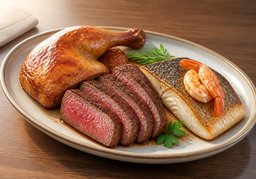
我家晚饭常有荤菜和素菜。wǒ jiā wǎn fàn cháng yǒu hūn cài hé sù cài
Our family often has meat dishes and vegetable dishes for dinner.
A food category groups prepared dishes around animal-derived ingredients, forming the non-vegetarian side of a menu.
吃荤菜chī hūn cài
eat meat dishes
点荤菜diǎn hūn cài
order meat dishes
不吃荤菜bù chī hūn cài
not eat meat dishes
荤食hūn shí: Food made with animal-based ingredients, whether served as a dish or eaten in another form.
素菜sù cài: A cooked dish prepared mainly from vegetables and other plant-based foods.
以动物性食材为主或含有肉、禽、鱼、虾等成分的菜肴,作为与不含肉的素菜相对的分类称为荤菜。yǐ dòng wù xìng shí cái wéi zhǔ huò hán yǒu ròu qín yú xiā děng chéng fèn de cài yáo zuò wéi yǔ bù hán ròu de sù cài xiāng duì de fēn lèi chēng wéi hūn cài
荤 (hūn, "pungent or animal-based food") + 菜 (cài, "cooked dish") forms a compound that came to name dishes made with animal-based ingredients.