

Chinese Conversation · Level 31
90 words
Search Chinese words by characters, pinyin or English meaning.
Dictionaries
Quick links
Browse
 MotiSpiOfficial conversation app

Chinese word
Pinyincāng bái
他的脸色看起来很苍白。tā de liǎn sè kàn qǐ lái hěn cāng bái
His face looks very pale.
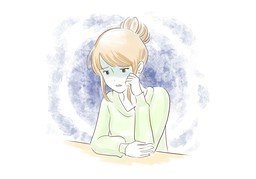
她的手指因为冷而变得苍白。tā de shóu zhǐ yīn wèi lěng ér biàn de cāng bái
Her fingers turned pale from the cold.
The visible loss of normal facial color, leaving someone looking weak, shocked, or unwell.
脸色苍白liǎn sè cāng bái
pale complexion
嘴唇苍白zuǐ chún cāng bái
pale lips
显得苍白xiǎn de cāng bái
look pale
发白fā bái: Describes skin or another surface becoming lighter and whiter as its color fades.
无血色wú xuè sè: Describes a face or skin that lacks a healthy color and gives a tired, weak impression.
惨白cǎn bái: Describes a face, hand, or other body part that looks starkly white after its healthy color fades.
(人体)皮肤或面部颜色失去正常红润,呈现偏白或发青的状态,多用于描述病容或受惊后的脸色。rén tǐ pí fū huò miàn bù yán sè shī qù zhèng cháng hóng rùn chéng xiàn piān bái huò fā qīng de zhuàng tài duō yòng yú miáo shù bìng róng huò shòu jīng hòu de liǎn sè
The characters 苍 (cāng, "blue-gray") + 白 (bái, "white") combine two cool, light colors to portray skin whose healthy redness has faded.