

HSK · Level 2
130 words
Search Chinese words by characters, pinyin or English meaning.
Dictionaries
Quick links
Browse
 MotiSpiOfficial conversation app

Chinese word
Pinyinyá
这棵树长出了芽。zhè kē shù zhǎng chū le yá
This tree has put out buds.
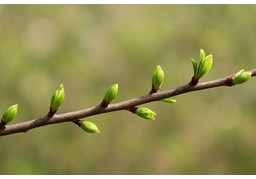
寒冷过后,枝头的芽又开始膨大了。hán lěng guò hòu zhī tóu de yá yòu kāi shǐ péng dà le
After the cold spell, the buds at the ends of the branches began to swell again.
The first visible point of growth, whether it pushes out from a plant or begins to appear in a new development.
长出芽zhǎng chū yá
put out buds
新芽xīn yá
new bud
叶芽yè yá
leaf bud
萌芽méng yá: An early sign that something such as an idea or trend is starting to appear.
苗miáo: A small young plant raised for use in a garden or on a farm.
新芽xīn yá: A newly growing bud that has just appeared on a plant.
植物长出的嫩生部分,也可比喻事物刚开始出现的阶段,如想法或趋势的初期。zhí wù zhǎng chū de nèn shēng bù fèn yě kě bǐ yù shì wù gāng kāi shǐ chū xiàn de jiē duàn rú xiáng fǎ huò qū shì de chū qī
In 芽 (yá, "bud"), 艹 (cǎo, "grass") signals a plant-related meaning, while 牙 (yá, "tooth") is the sound-bearing component; the character therefore combines meaning with pronunciation.