

HSK · Level 117
45 words
Search Chinese words by characters, pinyin or English meaning.
Dictionaries
Quick links
Browse
 MotiSpiOfficial conversation app

Chinese word
Pinyinjié yī suō shí
退休后,他们不得不节衣缩食。tuì xiū hòu tā men bù dé bù jié yī suō shí
After retirement, they had to live frugally.
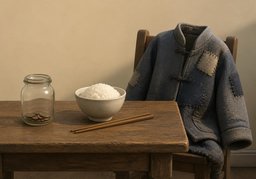
天灾导致收成下降,农民们不得不节衣缩食过冬。tiān zāi dǎo zhì shōu chéng xià jiàng nóng mín men bù dé bù jié yī suō shí guò dōng
The disaster reduced the harvest, so the farmers had to live frugally to get through the winter.
A deliberate tightening of everyday spending, especially on basic needs, to get through financial hardship.
靠着节衣缩食度日kào zhe jié yī suō shí dù rì
get by through frugal living
长期节衣缩食cháng qī jié yī suō shí
live frugally for a long time
勤俭节约qín jiǎn jié yuē: Living economically every day while using money and resources carefully.
省吃俭用shěng chī jiǎn yòng: Eating simply and buying less to reduce everyday living costs.
勤俭持家qín jiǎn chí jiā: Managing household finances carefully so available money and supplies last.
通过减少衣物和食物的消费来节省开支,通常指为应对经济困难而采取的节俭生活。tōng guò jián shǎo yī wù hé shí wù de xiāo fèi lái jié shěng kāi zhī tōng cháng zhǐ wèi yìng duì jīng jì kùn nán ér cái qǔ de jié jiǎn shēng huó
节 (jié, "cut back") + 衣 (yī, "clothing") + 缩 (suō, "shrink") + 食 (shí, "food") presents clothing and food as the basic expenses that are reduced.