

Chinese Conversation · Level 6
90 words
Search Chinese words by characters, pinyin or English meaning.
Dictionaries
Quick links
Browse
 MotiSpiOfficial conversation app

Chinese word
Pinyinjié hòu
我们节后再讨论这个问题。wǒ men jié hòu zài tǎo lùn zhè ge wèn tí
We will discuss this issue again after the holidays.
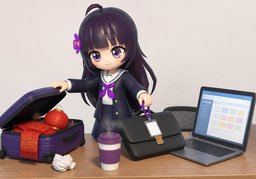
大家节后按时上班。dà jiā jié hòu àn shí shàng bān
Everyone returns to work on time after the holidays.
The return-to-routine period that follows a festival or holiday.
节后上班jié hòu shàng bān
return to work after the holidays
节后返校jié hòu fǎn xiào
return to school after the holidays
节后促销jié hòu cù xiāo
post-holiday sale
假期后jià qī hòu: The time after a vacation or break has ended.
放假后fàng jià hòu: The period after time off ends, when people return to work or school.
节日过后jié rì guò hòu: The time immediately after a festival or event ends.
节后指节日或假期结束以后的一段时间,通常用于表示节日过后恢复工作、学习或处理事务的时期。jié hòu zhǐ jié rì huò jià qī jié shù yǐ hòu de yí duàn shí jiān tōng cháng yòng yú biǎo shì jié rì guò hòu huī fù gōng zuò xué xí huò chú lǐ shì wù de shí qī
节 (jié, "festival or holiday") identifies the break, while 后 (hòu, "after") turns it into a following time period.