

HSK · Level 27
135 words
Search Chinese words by characters, pinyin or English meaning.
Dictionaries
Quick links
Browse
 MotiSpiOfficial conversation app

Chinese word
Pinyinjié jiǎn
他很节俭,从来不吃零食。tā hěn jié jiǎn cóng lái bù chī líng shí
He is very frugal and never eats snacks.
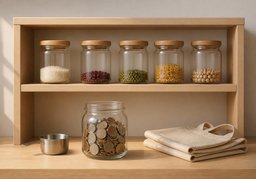
他们一家过着节俭的生活,很少买不必要的东西。tā men yì jiā guò zhe jié jiǎn de shēng huó hén shǎo mǎi bú bì yào de dōng xī
Their whole family lives a frugal life and rarely buys unnecessary things.
A habit of making money and goods last instead of using them carelessly or in excess.
节俭的生活jié jiǎn de shēng huó
a frugal life
节俭的人jié jiǎn de rén
a frugal person
节俭的习惯jié jiǎn de xí guàn
frugal habits
节省jié shěng: Careful use of money or time keeps waste low and spending to what is needed.
节约jié yuē: A deliberate effort reduces spending or resource use and preserves what is available.
朴素pǔ sù: Plain and unadorned in lifestyle or dress, without excess decoration or luxury.
吝啬lìn sè: Unwilling to spend or share money or possessions, in an excessively mean way.
习惯性地节省开支与物资,在吃穿用度上尽量避免浪费,重视合理利用资源。xí guàn xìng dì jié shěng kāi zhī yǔ wù zī zài chī chuān yòng dù shàng jǐn liàng bì miǎn làng fèi zhòng shì hé lǐ lì yòng zī yuán
节 (jié, "restraint") originally refers to a joint or boundary, while 俭 (jiǎn, "frugal") describes modest use, so their combination points to restrained consumption.