

Chinese Conversation · Level 78
91 words
Search Chinese words by characters, pinyin or English meaning.
Dictionaries
Quick links
Browse
 MotiSpiOfficial conversation app

Chinese word
Pinyinshě bu de
我舍不得扔掉这件旧衣服。wǒ shě bu de rēng diào zhè jiàn jiù yī fú
I can't bear to throw away this old piece of clothing.
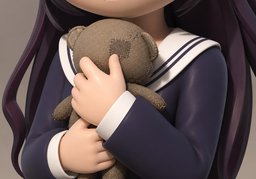
妈妈舍不得孩子离开家。mā mā shě bu de hái zi lí kāi jiā
Mom is reluctant to let her child leave home.
Strong attachment makes letting go, losing something, or leaving feel emotionally difficult.
舍不得放下过去shě bu de fàng xià guò qù
be reluctant to let go of the past
舍不得孩子离开shě bu de hái zi lí kāi
be reluctant to let one's child leave
舍不得说再见shě bu de shuō zài jiàn
be reluctant to say goodbye
不舍bù shě: Parting from someone or something feels painful, creating reluctance to let go.
不忍心bù rěn xīn: Compassion makes hurting or forcing away someone or something feel wrong.
留恋liú liàn: Attachment to a place, past event, or relationship makes leaving feel difficult.
爱惜ài xī: Valuing something leads to careful treatment and avoiding waste, damage, or easy disposal.
因为眷恋、感情或习惯而不忍放弃某物或某人,表示不愿做某事或不愿离开。yīn wèi juàn liàn gǎn qíng huò xí guàn ér bù rěn fàng qì mǒu wù huò mǒu rén biǎo shì bú yuàn zuò mǒu shì huò bú yuàn lí kāi
舍 (shě, "let go") + 不 (bù, "not") + 得 (dé, "be able to") literally presents letting go as something one cannot do, which gives the word its sense of attachment-based reluctance.