

HSK · Level 40
120 words
Search Chinese words by characters, pinyin or English meaning.
Dictionaries
Quick links
Browse
 MotiSpiOfficial conversation app

Chinese word
Pinyinzì yóu zì zài
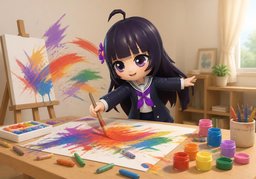
他在家里自由自在地画画。tā zài jiā lǐ zì yóu zì zài dì huà huà
He draws freely at home.
作为自由职业者,他可以自由自在地安排工作时间。zuò wéi zì yóu zhí yè zhě tā ké yǐ zì yóu zì zài dì ān pái gōng zuò shí jiān
As a freelancer, he can arrange his work hours freely.
Freedom from outside control combined with a calm, comfortable way of acting.
自由自在地说话zì yóu zì zài dì shuō huà
speak freely
自由自在地创作zì yóu zì zài dì chuàng zuò
create freely
自由自在地工作zì yóu zì zài dì gōng zuò
work freely
随便suí biàn: Choosing or doing things freely without being careful about rules or conventions.
随意suí yì: Following one's own will when doing something.
随心所欲suí xīn suǒ yù: Doing exactly as one's heart desires, with no restraint.
随心所欲地行动或表现,既没有外在限制又显得从容自如。suí xīn suǒ yù dì xíng dòng huò biǎo xiàn jì méi yǒu wài zài xiàn zhì yòu xiǎn de cóng róng zì rú
自由 (zìyóu, "freedom") marks the absence of restraint, while 自在 (zìzài, "at ease") adds inner ease, so the paired expression joins independence with composure.