

HSK · Level 58
105 words
Search Chinese words by characters, pinyin or English meaning.
Dictionaries
Quick links
Browse
 MotiSpiOfficial conversation app

Chinese word
Pinyinzì bēi
小时候我常常自卑,觉得自己不如别人。xiǎo shí hòu wǒ cháng cháng zì bēi jué de zì jǐ bù rú bié rén
When I was young, I often felt inferior and thought I was not as good as others.
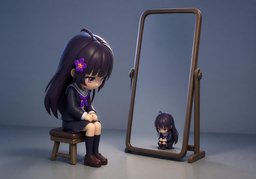
面试失败后,他开始变得自卑,不愿意和人交流。miàn shì shī bài hòu tā kāi shǐ biàn de zì bēi bú yuàn yì hé rén jiāo liú
After failing the interview, he began to feel inferior and did not want to talk with people.
An inner scale places the self below the expected standard, weakening confidence and inviting self-criticism.
感到自卑gǎn dào zì bēi
feel inferior
越来越自卑yuè lái yuè zì bēi
feel increasingly inferior
不自信bú zì xìn: Lacking confidence in personal abilities or decisions, often causing hesitation or worry.
胆怯dǎn qiè: Feeling afraid and lacking courage when facing difficult situations.
害羞hài xiū: Feeling embarrassed around people and avoiding speaking or making eye contact.
对自己的能力、条件或价值感到不足而自我评价低下,常伴随不自信或自我贬低的情绪。duì zì jǐ de néng lì tiáo jiàn huò jià zhí gǎn dào bù zú ér zì wǒ píng jià dī xià cháng bàn suí bú zì xìn huò zì wó biǎn dī de qíng xù
The compound 自 (zì, "self") + 卑 (bēi, "low") turns the idea of being low into a judgment directed at oneself.