

HSK · Level 48
120 words
Search Chinese words by characters, pinyin or English meaning.
Dictionaries
Quick links
Browse
 MotiSpiOfficial conversation app

Chinese word
Pinyinliǎn sè
他的脸色不太好。tā de liǎn sè bú tài hǎo
His complexion doesn't look very good.
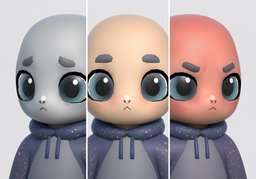
锻炼后,他的脸色看起来红润多了。duàn liàn hòu tā de liǎn sè kàn qǐ lái hóng rùn duō le
After exercising, his complexion looked much rosier.
A person's face acts as a visible readout of feeling or attitude through its color and expression.
脸色发青liǎn sè fā qīng
complexion turns bluish
脸色变了liǎn sè biàn le
complexion changes
注意脸色zhù yì liǎn sè
pay attention to one's complexion
表情biǎo qíng: A facial expression that communicates emotion or reaction.
神色shén sè: A person's emotional state as shown by the face or eyes.
气色qì sè: Facial color and skin condition that suggest a person's health.
面色miàn sè: The visible look of a person's face, including its color, suggesting physical condition or mood.
指通过面部的表情或血色判断出的情绪或态度。zhǐ tōng guò miàn bù de biǎo qíng huò xuè sè pàn duàn chū de qíng xù huò tài dù
脸 (liǎn, "face") + 色 (sè, "color") first describes the face's visible color or appearance, then extends to the feelings or attitude inferred from it.